Is a Dirty Trash Can Bad for Dogs? Vet-Backed Risks
April 17, 2026 · Bin Bros KC Team
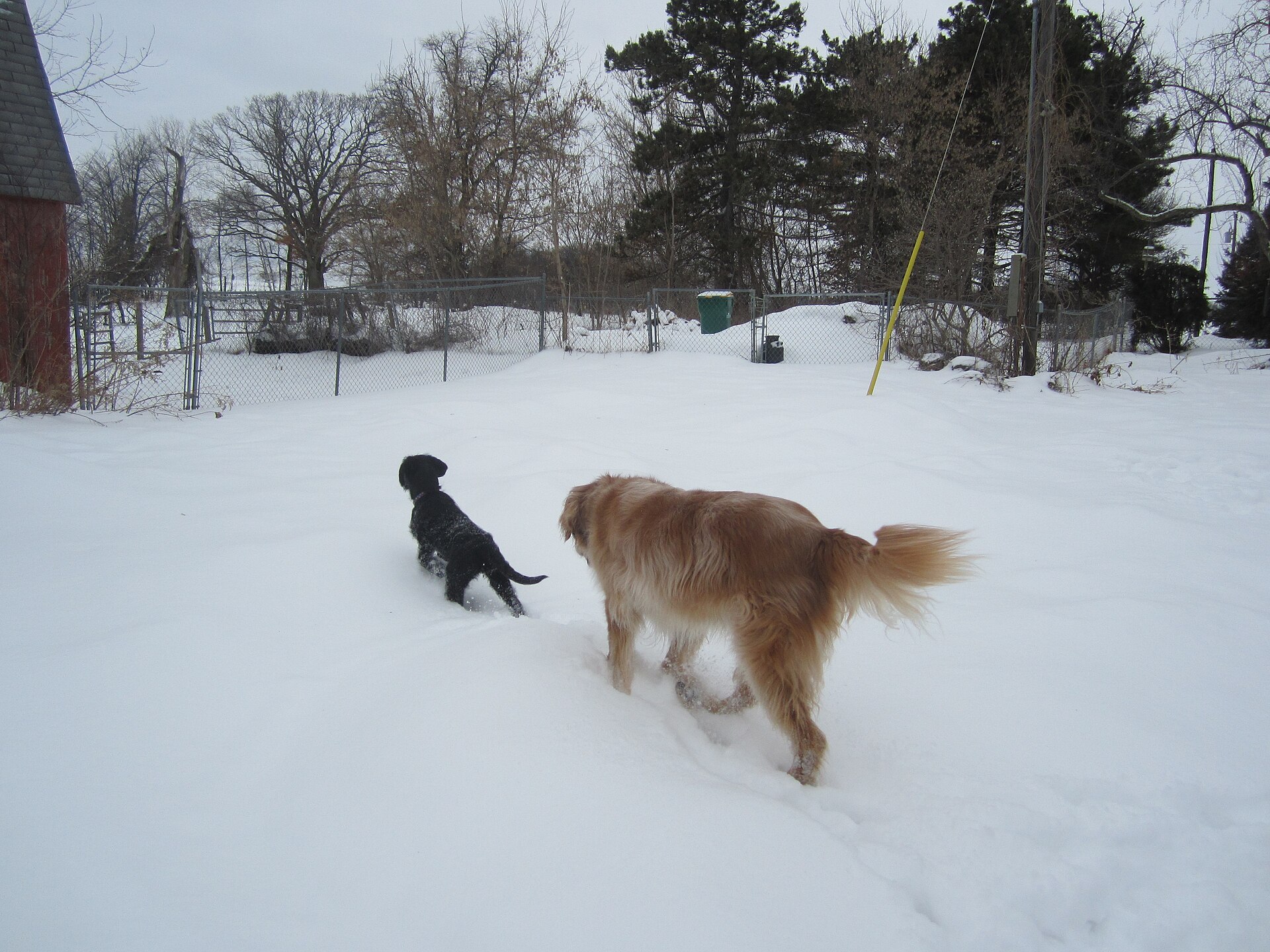
A golden retriever exploring the backyard near residential trash storage by Ann from USA, Wikimedia Commons, CC BY 2.0
.jpg)
If your dog sniffs around the trash can, drinks from puddles near it, or has found a way to get the lid open, you have a reasonable reason to wonder whether your bin is a health risk. The short answer is yes — a dirty trash can can absolutely make dogs sick, and several of the illnesses involved are ones most pet owners don't know to watch for.
The longer answer is more practical. Not every speck of bin residue is dangerous, and knowing which bacteria actually cause problems (versus which ones just smell bad) helps you focus on the right fixes.
Dog nosing around a filthy bin? Let the Bros clean it.
200°F water. No soap, no chemicals, pet-safe. We come to your curb and haul the funk away.
Book in 60 seconds — 50% off with FIRST50 →The actual health risks from a dirty trash can
Three things your dog can pick up from an uncleaned residential trash can:
1. Salmonella
The big one. Salmonella bacteria live in raw meat, eggshells, and unwashed produce. When any of that ends up in your bin and sits, the bacteria multiply. A dog that sniffs the residue (or worse, licks it) can ingest enough to get infected.
Symptoms in dogs: vomiting, diarrhea, fever, lethargy, loss of appetite. Often within 12-72 hours of exposure. Puppies and senior dogs are at highest risk.
2. Listeria
Less common but worth knowing. Listeria can live in deli meat, soft cheeses, and unwashed produce. It survives refrigeration and multiplies at a wide temperature range. Dogs don't always show symptoms the way humans do, but severe cases cause neurological issues including head tilting, difficulty walking, and seizures.
3. E. coli
From raw meat packaging, eggs, and some produce. Most strains are harmless. Some strains (O157:H7 being the most serious) cause severe vomiting, bloody diarrhea, and dehydration. Young and immunocompromised dogs are most vulnerable.
The risks that aren't bacterial
Beyond bacterial illness, dogs in your trash face a separate set of dangers:
Toxic foods in the bag. Chocolate, grapes, raisins, onions, garlic, xylitol (in sugar-free gum and candy) — all toxic to dogs, all common in household trash. A dog that gets into an open bin can ingest something dangerous in seconds.
Bones and sharp objects. Chicken bones splinter. Fish spines puncture. A dog that swallows a bone fragment from the trash can require emergency surgery.
Packaging that seals. Chip bags, sandwich bags, cereal bag liners — a dog that sticks their head in to reach food can suffocate. This kills hundreds of dogs a year in the US.
Moldy food. Some molds produce tremorgenic mycotoxins that cause seizures in dogs within an hour of ingestion. Often found on old bread, cheese, or peanut butter.
Signs your dog may have been in the trash
Dogs don't usually tell you they got into the bin. Signs to watch for:
- Vomiting or diarrhea within 12 hours, especially if unusual for your dog
- Lethargy or hiding
- Loss of appetite when they're usually enthusiastic eaters
- Pawing at the mouth (sign of something stuck)
- Excessive drooling
- Tremors or seizures (call your vet immediately — this can indicate mycotoxin exposure)
If you see any of these and suspect trash exposure, call your vet or the ASPCA poison control hotline (888-426-4435). The earlier you call, the more options are available.
Why outdoor trash cans are especially risky
Most bacterial concern comes from outdoor bins, not the kitchen trash. Three reasons:
- Volume and time. Kitchen trash gets taken out every day or two. Outdoor bins accumulate waste for up to a week, giving bacteria time to multiply.
- Temperature. Outdoor bins in summer reach internal temperatures above 100°F. That's ideal bacterial reproduction territory.
- Moisture. Rain, humidity, and sealed lids create the warm-moist environment bacteria thrive in.
A Northland outdoor bin in August — especially one that hasn't been cleaned in a while — is effectively a bacterial incubator. If your dog spends time in the yard, this matters.
How to protect your dog
Five things that actually work:
1. Make the bin physically inaccessible
This is the single highest-impact fix. A dog that can't reach the bin can't get sick from it. Options:
- Bin latches or straps to keep the lid secured
- Store bins in the garage or a pen rather than freestanding in the yard
- Bungee cord the lid as a quick fix
- Heavy-duty bins with latching lids (Rubbermaid Roughneck is popular for this)
If the bin is city-issued (Liberty, Kearney, Smithville, Gladstone, and most KC Northland residential areas use them), you can still add a latch or keep it inside a secured area.
2. Bag all wet waste in sealed bags
Even if your dog does get into the bin, sealed bags slow down their access and reduce bacterial exposure. A loose pile of meat packaging is a bigger risk than the same waste inside tied grocery bags.
3. Keep bins clean
This is where regular cleaning service pays back in pet safety. A bin without stuck-on food residue is a bin without the bacterial colony. No colony means no source of infection even if the dog does get a quick sniff.
Hot-water cleaning (like our 200°F bin service) kills Salmonella, Listeria, and E. coli on contact. It doesn't matter how thoroughly your dog cleaned off the last drip of meat juice — if there's nothing there, there's nothing to ingest.
4. Use pet-safe cleaners
If you clean the bin yourself, pay attention to what you're using.
Avoid:
- Bleach (corrosive, dangerous to inhale or touch residue)
- Ammonia-based cleaners (Windex, many floor cleaners)
- Pine-Sol in concentrated form (contains phenol, toxic to dogs)
- Anything with "do not use around pets" on the label
Use:
- Distilled white vinegar (diluted 1:1 with water)
- Biodegradable cleaners with natural essential oils
- Hydrogen peroxide (3% strength, dilute and rinse)
- Commercial pet-safe disinfectants (Rescue, Simple Green D Pro 5)
Our professional cleaning uses 200°F hot water and a pet-safe deodorizer with natural essential oils — no soap. Safe for dogs, cats, kids, and wildlife.
5. Train the leave-it command
If your dog is trash-curious, "leave it" training is worth the investment. A reliable leave-it command can prevent a poison ingestion that would cost thousands at the emergency vet.
What about indoor kitchen trash?
Kitchen bins are usually lower risk because they're emptied often, but they're not zero risk. Same principles apply:
- Use a lidded bin, ideally with a foot pedal (so the lid closes on its own)
- Keep it in a cabinet or pantry if possible
- Take out meat packaging and bones immediately rather than letting them sit
- Use bin liners that seal (the kitchen trash bag you've been avoiding because it's more expensive is a pet safety investment)
The math on regular bin cleaning
For a pet-owning household in the KC Northland, regular bin cleaning is genuinely a pet safety feature, not a luxury.
One emergency vet visit for a dog that ate something from the bin: $400-$3,000 depending on severity and whether surgery is needed.
Twelve months of quarterly professional bin cleaning: $180 ($15/mo).
The math is not close.
Even setting aside veterinary costs, the peace of mind — knowing the outdoor bin isn't a bacterial incubator — is what most of our pet-owning customers mention as the reason they keep the subscription.
What to do if you have a pet
If you have a dog (or cat that spends time outside) and an outdoor trash bin that hasn't been cleaned recently:
- Check the bin today for dried meat residue, stuck-on food, or visible mold. If any of those, it's time for a clean.
- Add a latch or strap to prevent access. ~$10-15 at any hardware store.
- Book a cleaning or start doing it yourself with pet-safe products. Our first clean is 50% off with code
FIRST50. Sign up here.
For owners of multiple pets, or households where the trash is on the side of the house the dog can reach, regular professional cleaning is usually the easier long-term answer.
Related reading: Why trash cans smell like ammonia, Maggots in your garbage can, and our KC Northland service area guide.
Dog nosing around a filthy bin? Let the Bros clean it.
200°F water. No chemicals. Pet-safe. No contracts. Code FIRST50 takes 50% off your first clean.