New to KC Northland? Your Trash Setup Checklist
Updated September 11, 2026 · Bin Bros KC Team
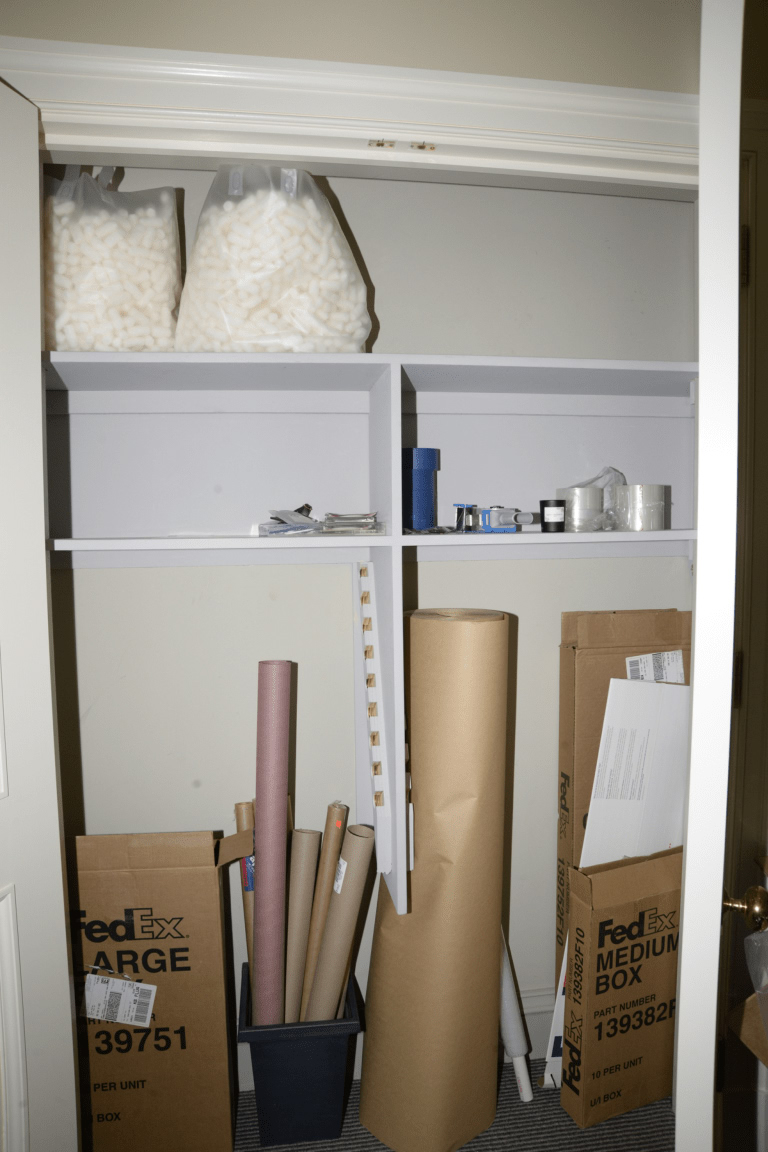
Moving boxes and packing supplies for a new home by Federal Bureau of Investigation, Wikimedia Commons, Public domain

Welcome to the KC Northland. If you're reading this during that first-week chaos of moving in, you're probably dealing with more pressing things than trash service. But getting the bins sorted in the first 10 days will save you from inheriting someone else's neglected summer in three months.
This is the short checklist.
Inherited the last owner’s nasty bin? Let the Bros clean it.
200°F water. No soap, no chemicals, pet-safe. We come to your curb and haul the funk away.
Book in 60 seconds — 50% off with FIRST50 →Day 1-3: Figure out who hauls your trash
The first question: who's actually picking up your trash? Your options:
- Check the seller's disclosure or closing documents. Often mentions current utility providers.
- Ask the seller (or previous tenant) directly.
- Look at what's already at the curb if you moved in near trash day.
- Call the city's Public Works office.
In most of the Northland, the answer is GFL, Republic Services, or KCMO Public Works (full breakdown in our who picks up trash guide). Liberty and Weatherby Lake are Republic, both through city contracts. North Kansas City is GFL. Kansas City, MO proper is on KCMO Public Works — the city is its own hauler. Kearney and Smithville contract through the city with a single hauler, and you pay on your utility bill.
Day 3-5: Set up your service
Depending on how service works in your city:
City-contracted (Liberty, Kearney, Smithville)
- Utility billing: Check your city utility account. Trash is usually bundled with water/sewer.
- Bin delivery: If the previous owner left the bins, you'll likely use those. If not, request new bins through the city.
- Expected cost: $20-30/month for most Northland cities. Kearney runs about $20/month including trash, recycling, and yard waste.
Hauler-direct (Parkville, Gladstone, most of KCMO Northland)
- Call the hauler to set up a new account under your name.
- Bin delivery: They'll drop bins within a week if they're not already there.
- Expected cost: $25-40/month depending on hauler and service level.
Day 5-7: Inspect what the previous owner left
If the bins came with the house, check them carefully:
Exterior check
- Cracks in the plastic (inside or out)
- Warped lid that doesn't seal
- Broken wheels or handle
- Stains or chalky deposits from long-term use
- Any visible damage from weather or animals
Interior check (bring gloves)
- Residue layers on the bottom
- Mold or mildew on the walls or lid rim
- Black staining that won't wipe off
- Smell — honest assessment. If the lid is freshly opened and it stinks, the previous owner wasn't cleaning it.
What to do based on findings
- Bin is in good shape: do a thorough cleaning (method below).
- Bin is cracked or damaged: call your hauler for a replacement. Usually free.
- Bin is old but intact (10+ years): professional first clean to reset, then decide if it's worth keeping.
- Bin is old AND damaged: request replacement regardless.
Day 7-10: The inheritance clean
Whatever the previous owner's cleaning schedule was — you're now inheriting the consequences. Even a "clean" bin at a house turnover usually has:
- 3-6 months of residue
- An established bacterial colony
- Fly eggs (in warm months)
- Wildlife scent markers
A thorough clean in week 1-2 gets you ahead of all of this. Options:
Option A: Professional one-time clean
Fastest. $75 — or $37.50 with code FIRST50 — one bin included (+$15 per extra bin). One visit resets the bins. We can schedule during your move-in week — sign up here.
Option B: DIY inheritance clean
If you want to handle it yourself:
- Wait until the hauler empties the bins (day after your first pickup).
- Pressure wash the interior with hot water if possible, cold water if not.
- Disinfect with white vinegar (not bleach — previous owner's residue may contain ammonia).
- Dry thoroughly in sun, lid off.
- Inspect for hidden issues — cracks, pest evidence, leftover items stuck in the bin.
Full method in our DIY vs. professional comparison.
Option C: Start a subscription
Our quarterly plan at $15/month handles this ongoing. First clean resets the bin, and the schedule keeps it from building up.
Day 10+: The ongoing setup
Bag all wet waste
New-home habit to start from day one. Any food residue, pet waste, or diapers go in sealed plastic bags before the bin. This alone prevents 80% of future fly and smell issues.
Figure out bin storage
Most Northland HOAs require bin storage out of view from the street. See our HOA rules guide for what's typically required.
If your new home has a garage with space, that's the easiest answer. If not:
- A side-of-house storage area that isn't visible from the street
- A bin screen or small enclosure ($100-200 at Lowe's)
- Fence + gate solution if you already have one
Learn your pickup day
Watch what day the neighbors put bins out. Then add that to your calendar. If there's a trash pickup service in your HOA's common area, that's usually the same day.
Plan for seasonal maintenance
Bins need more attention than most new homeowners realize:
- Spring: deep clean before humidity hits (checklist here)
- Summer: maggot prevention matters (prevention guide)
- Fall: leaf and pumpkin debris cleanup
- Winter: minimal maintenance needed in KC, but bin placement changes (avoid ice-prone spots)
Special situations for new KC Northland homeowners
Bought a home with an HOA
Most Northland HOAs (especially Parkville, Riss Lake communities, newer builds in Gladstone and Staley Farms) have specific trash rules. Read your HOA declarations before move-in day if possible.
Common rules:
- Bin storage out of view
- Bin placement timing for pickup
- Lid compliance
- Bin condition standards
Avoid the "new homeowner violation notice" by knowing the rules first.
Bought a lake home in Smithville or Parkville
Different situation. If the home is weekend-only or a rental, see our Smithville guide for the lake house service model. Parkville has Riss Lake watershed considerations worth knowing about.
Bought into a new subdivision
Builders often include trash service in closing paperwork, sometimes bundled with HOA fees. Check carefully — you may already have an active account.
If not, set up service in week 1. New homes fill bins faster than you expect (moving boxes, packaging, construction debris cleanup).
Inherited bins from a long-time owner
If the previous owner lived there 10+ years, the bins are probably 10+ years old. Consider a full replacement through your hauler. Then start fresh with the subscription or regular DIY.
The first summer
If you're reading this in spring or early summer, your first Missouri summer will test the bin situation. Every new Northland homeowner reports the same pattern:
- Week 1-4: bins seem fine
- Week 5-8: noticeable smell on pickup day
- Week 9-12: full crisis — flies, maggots, or raccoon visits
The prevention work happens in weeks 1-4, before the crisis. Summer maggot prevention covers the specifics.
What to do this week (if you just moved in)
- Find out who hauls your trash. Call the city or check closing papers.
- Inspect the bins for damage or deep residue. Request replacement if needed.
- Do a first clean or schedule one — half off with code FIRST50: $37.50 one-time, or $22.50 on the quarterly plan.
- Set up bagging habits and bin storage. Pick a day on your calendar for weekly trash-day routine.
The bins are not the most urgent thing on your move-in list. But they're the thing that quietly ruins your summer if you ignore them for three months.
Related reading: Why trash cans smell like ammonia, HOA trash rules, Spring cleaning checklist, and local guides for Liberty, Kearney, Smithville, Gladstone, and Parkville.
Inherited the last owner’s nasty bin? Let the Bros clean it.
200°F water. No chemicals. Pet-safe. No contracts. Code FIRST50 takes 50% off your first clean.