Pregnancy-Safe Trash Can Cleaning: What to Avoid
April 18, 2026 · Bin Bros KC Team
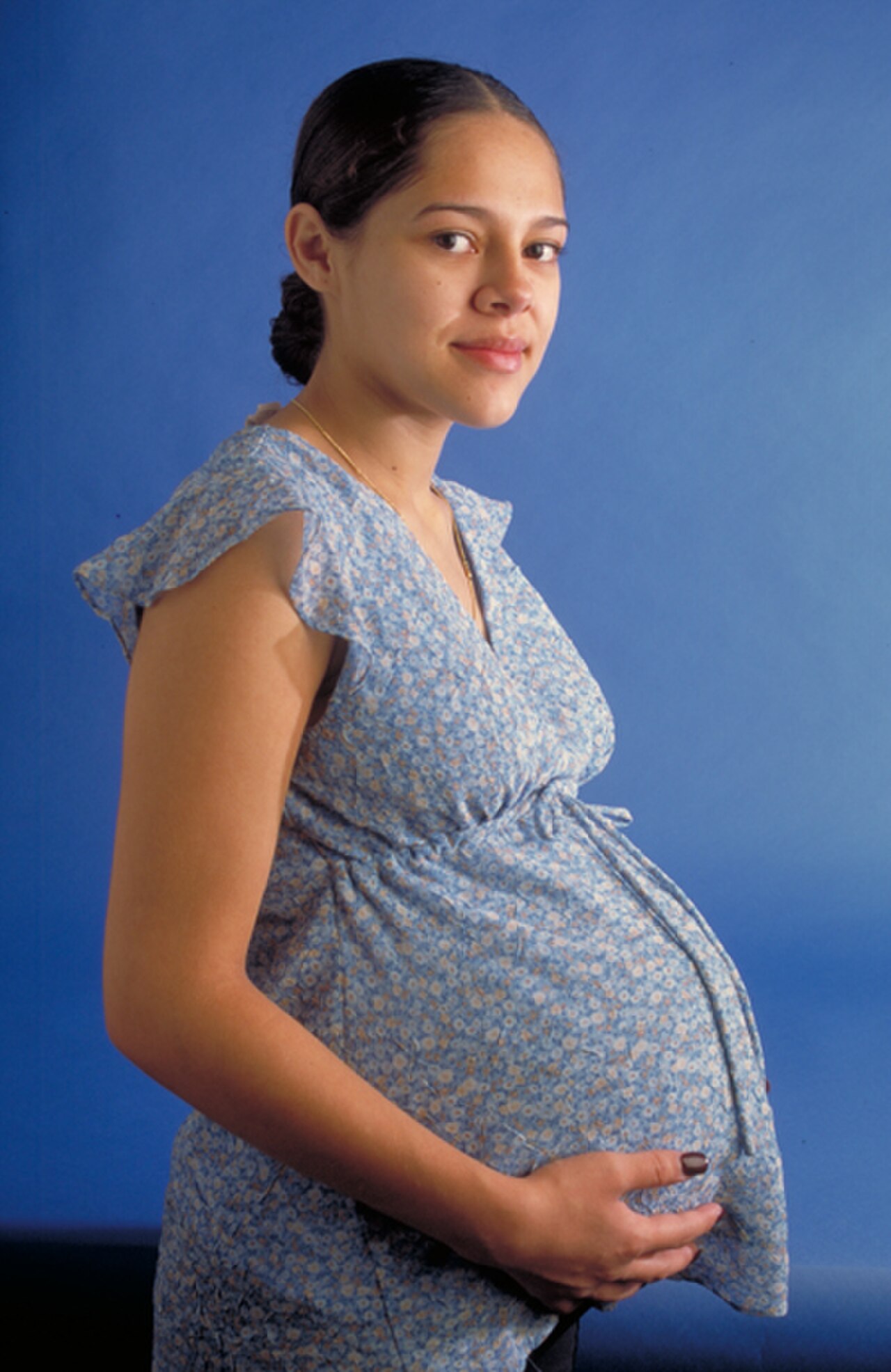
Pregnant woman at home by Ken Hammond (USDA), Wikimedia Commons, Public domain

If you're pregnant and dealing with a trash can that needs cleaning, the honest answer is: this is a task worth handing off if you can. Not because bins are uniquely dangerous for pregnant women, but because the combination of chemicals, bacteria, heavy lifting, and bending makes this one of the easier household chores to justify skipping for nine months.
Here's the full picture: what's actually risky, what's not, and practical options if you have no one to hand it off to.
Pregnant and not touching that bin? Let the Bros clean it.
200°F water. No soap, no chemicals, pet-safe. We come to your curb and haul the funk away.
Book in 60 seconds — 50% off with FIRST50 →The short answer
Three things to avoid while pregnant:
- Cleaning products with high-VOC chemicals (bleach, ammonia-based cleaners, strong solvents)
- Direct exposure to animal waste (cat feces specifically — toxoplasmosis risk)
- Heavy lifting or twisting a full trash bin
Most residential bin cleaning involves all three. That's why the straightforward recommendation is: have someone else do it, or hire it out.
If you need to do it yourself, the safer methods are below.
What's actually risky (and what isn't)
Risk 1: Cleaning product exposure
Pregnancy increases sensitivity to certain chemicals, and some products that are generally safe become risks during pregnancy.
Avoid while pregnant:
- Bleach (sodium hypochlorite). Inhalation causes respiratory irritation; not proven teratogenic, but enough concern that OB-GYNs recommend avoiding prolonged exposure, especially in the first trimester.
- Ammonia cleaners. Same concerns. Windex, some floor cleaners, many "heavy-duty" bathroom cleaners.
- Bleach + ammonia combinations. Never safe for anyone — creates chloramine gas. For a pregnant woman, the risk is amplified.
- Pine-Sol concentrate. Phenol-based. Most doctors recommend avoiding.
- Commercial bin cleaning solvents that aren't specifically pregnancy-safe. Read labels.
Generally considered safe (with ventilation):
- Distilled white vinegar (diluted or undiluted). Kills eggs and some bacteria without chemical risk.
- Baking soda. Mild, safe, effective for absorbing odor.
- Castile soap (like Dr. Bronner's). Gentle, biodegradable.
- Hydrogen peroxide (3% drugstore strength). Breaks down into water and oxygen. Safe with ventilation.
- Lemon juice. Weak acid. Safe. Antimicrobial in mild doses.
Best practice if using any cleaner:
- Work outdoors or with windows open
- Wear gloves
- Don't lean over the bin while scrubbing
- Rinse the bin thoroughly after cleaning so no chemical residue remains
Risk 2: Bacterial exposure
Residential trash cans can carry Salmonella, E. coli, Listeria, and occasionally Toxoplasma (from cat litter or cat feces in the bin).
For a healthy non-pregnant adult, these are low-risk through casual contact. For a pregnant woman, some carry serious concerns:
- Listeria: serious risk to developing babies. Can cause stillbirth, preterm labor, or severe illness in newborns. Listeria lives in deli meats, soft cheeses, and — yes — residue from those items in bins.
- Toxoplasma gondii: the parasite that causes toxoplasmosis. Cat feces are the primary carrier. Fresh infection during pregnancy can cause birth defects. This is the #1 reason pregnant women are told not to change cat litter.
- Salmonella, E. coli: lower risk to the baby directly but severe illness in the mother can affect pregnancy.
Mitigation if you do handle bin residue:
- Wear disposable gloves (nitrile, not latex)
- Avoid touching your face
- Wash hands thoroughly with soap afterward
- Don't reuse gloves
- Shower after if you had significant contact
Risk 3: Physical exposure
Full residential trash bins weigh 25-50+ pounds. Bending, lifting, twisting, and pushing through resistance are all movements most OBs recommend limiting during pregnancy, especially later stages.
The bin-cleaning process typically involves:
- Tipping or moving the bin
- Bending to scrub the interior
- Lifting to drain
- Pushing equipment around
None of this is categorically off-limits, but it's easy to strain a back muscle or fall while pregnant, and both outcomes are worse during pregnancy than they'd be otherwise.
If you do it:
- Bend at the knees, not the waist
- Don't lift the bin solo — tip it instead
- Take breaks
- Stop if you feel any sharp pain, cramping, or dizziness
Safer cleaning methods for pregnant women
If you have to do this yourself and can't hand it off:
Method 1: The minimal-contact rinse
Best for bins that aren't terrible — just smelly.
- Set up outside, preferably on a sunny day with a breeze.
- Use a hose on spray setting from a comfortable standing distance. Don't lean over the bin.
- Spray with diluted vinegar (1:1 with water) from a spray bottle.
- Rinse again with plain water.
- Leave the bin upside down to dry in sun.
Total contact time: 5-10 minutes. Minimal lifting. No harsh chemicals.
Method 2: The gloved deep clean (if bin is bad enough)
Use only if the rinse method isn't enough.
- Full PPE: gloves, N95 mask, eye protection. Yes, really.
- Pre-treat stuck residue with boiling water, poured from a kettle (don't carry a full kettle if you can avoid it).
- Scrub with castile soap + warm water on a long-handled brush. Long handles mean you don't bend as much.
- Rinse thoroughly.
- Disinfect with hydrogen peroxide spray (3% strength). Safer than bleach or ammonia.
- Dry upside down in sun.
Total time: 30-40 minutes. Take breaks. Don't do this in hot weather.
Method 3: Hand it off to someone
The practical reality for most pregnant women in the Northland: this task is best delegated.
- Partner or household member
- Adult family member
- Professional cleaning service ($75 for a one-time clean through us, or subscription from $15/month)
Most OB-GYNs explicitly include "avoid heavy cleaning chores with chemicals" in first-trimester guidance. Trash bins fit that category.
The toxoplasmosis question
Most OB guidance focuses on cat litter boxes, but trash cans can carry the same risk if:
- Someone in the household puts used cat litter directly into the trash bin (rather than bagged or in a separate sealed container)
- A stray cat has used your bin as a litter box (more common than people realize)
- Dog waste contaminated with cat feces is in the bin
Mitigation:
- Never handle cat litter or cat waste directly while pregnant
- Bag all cat-related waste in a sealed bag before it goes in the bin
- If you suspect a stray cat has used your bin, have someone else clean it
- Wash hands thoroughly after any outdoor bin handling
When to have someone else do it
Signs you should not be cleaning the bin yourself:
- Any advanced pregnancy stage where bending is uncomfortable
- History of preterm labor in previous pregnancies
- Current pregnancy complications (placenta previa, gestational hypertension, etc.)
- Strong aversion to smells (common first trimester) — the bin will trigger nausea
- Any back issues or pelvic instability
These aren't absolute rules, but they're all good reasons to hand off the task.
Practical options if you have to DIY
If you have to do it and don't want to hire it out:
- Keep it short. A 10-minute rinse with vinegar is better than a 45-minute deep clean. Good enough is good enough.
- Do it outside with good ventilation.
- Lower the bacterial load before cleaning — wait until the hauler empties the bin, then do a quick rinse 1-2 days later. You're working with less residue.
- Skip the bleach entirely. It's not the only way to clean. Vinegar + hot water + sunlight handles most cases.
- Drink water throughout. Pregnancy dehydrates fast under even mild effort.
- Don't wait until it's terrible. A lightly-smelling bin is a 10-minute job. A bin from hell is a 45-minute project.
After pregnancy: the return to normal cleaning
Once you've had the baby and finished breastfeeding (if you're breastfeeding, most chemical concerns continue), regular cleaning routines resume. Before that point — it's fine to outsource or defer.
Professional bin cleaning through our service covers exactly this case. A pregnant customer can subscribe, stop thinking about it for the duration of pregnancy and early newborn months, and reassess after everyone's sleeping more.
What to do this week
If you're pregnant and your bin needs attention:
- First, ask someone else — partner, family, neighbor. Not a weakness, just a pregnancy-appropriate delegation.
- If you're doing it yourself, use the vinegar-based rinse method. Skip bleach. Keep it short.
- Hire it out if you can — code
FIRST50makes your first clean half off ($37.50 on a one-time, $22.50 on quarterly). Sign up here. You don't need to be home. We come curbside.
This is one of the easiest chores to drop for nine months. Anyone telling you otherwise isn't paying attention.
Related reading: Is your dirty trash can making your dog sick? — similar concerns, different household member. Why trash cans smell like ammonia and DIY vs. professional cost breakdown.
Pregnant and not touching that bin? Let the Bros clean it.
200°F water. No chemicals. Pet-safe. No contracts. Code FIRST50 takes 50% off your first clean.