Pressure Washing a Trash Can: Why It Doesn't Work
April 18, 2026 · Bin Bros KC Team
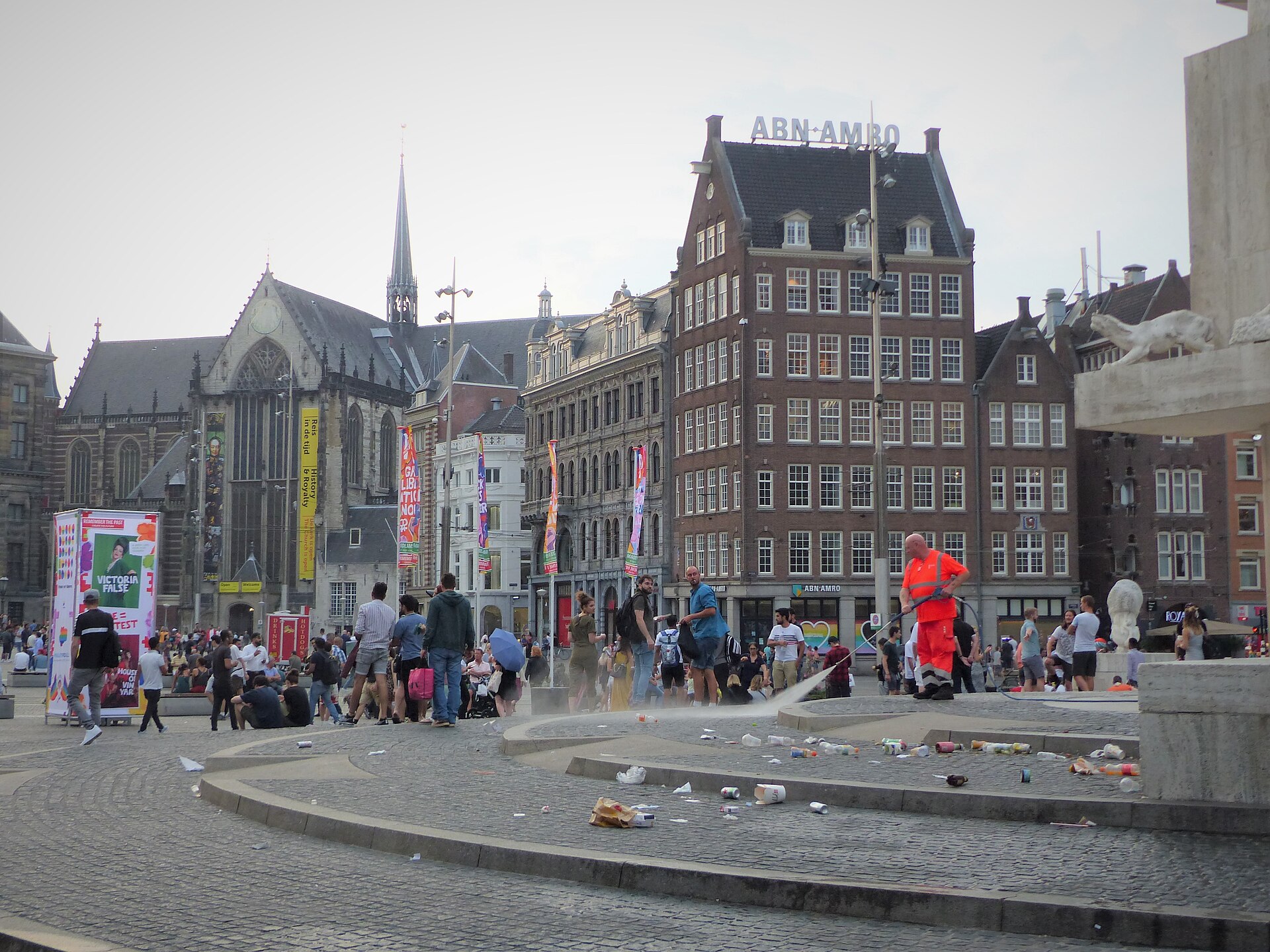
A standard consumer pressure washer — the kind that cannot actually sanitize a trash can by Elekes Andor, Wikimedia Commons, CC BY-SA 4.0

You have a pressure washer. Your neighbor has one too. Seems like the obvious tool for cleaning the trash can. Get it out, blast the inside, done.
Except it doesn't really work. Not the way you think it does. There's a reason professional bin cleaning exists, and understanding it saves you a Saturday of false confidence.
Hose and a brush not cutting it? Let the Bros clean it.
200°F water. No soap, no chemicals, pet-safe. We come to your curb and haul the funk away.
Book in 60 seconds — 50% off with FIRST50 →The actual job of cleaning a trash can
"Clean the trash can" means three things, in this order:
- Remove the stuck-on organic material (meat juice residue, dried protein, mold)
- Kill the bacterial colony that's been building on that material
- Dry the interior thoroughly so new residue doesn't wet-land on moisture
A proper clean does all three. A pressure wash alone does one-and-a-half.
What cold-water pressure washing actually does
The typical consumer pressure washer runs cold water at 1,500-2,500 PSI. That's powerful — enough to strip paint off a fence, peel bark from a tree, or carve into skin if aimed wrong.
Aimed at a trash can interior, it does this:
- Knocks loose visible debris. Good — that's the mechanical cleaning step.
- Sprays bacteria around. Bacteria are microscopic. Water at 2,000 PSI doesn't kill them; it aerosolizes them and redistributes them across the bin and the surrounding area.
- Wets the residue. Any dried-on meat or urine residue now becomes wet again — perfect conditions for bacteria to restart growing.
- Leaves the interior damp. You rinsed out the can, but there's no heat to dry it. The lid closes, and you've trapped moisture with redistributed bacteria.
Net effect: the bin LOOKS cleaner for a day. Bacterial load is mostly unchanged, sometimes worse. By next week the smell is back.
The temperature problem
Bacteria (E. coli, Salmonella, Listeria — the three most common bin residents) die at specific temperatures:
- 140°F: kills most bacteria in about 15 minutes
- 160°F: kills most bacteria in about 2 minutes
- 180°F: kills most bacteria in seconds
- 200°F: kills them instantly on contact
Cold water — whatever temperature comes out of your garden hose, usually 50-70°F — doesn't approach the thermal kill threshold. You could blast a bin with cold water for an hour and end up with a wet bin full of live bacteria.
This is the single biggest gap in DIY bin cleaning. Not the equipment. Not the time. Temperature.
"But I used bleach after"
Common response: "OK fine, I'll pressure wash and then bleach it." Two problems:
-
Bleach + ammonia residue = chloramine gas. Trash cans have ammonia in them (from pet waste, diapers, decaying protein). We covered this in detail in Bleach in Your Trash Can. Short version: don't pour bleach into a trash can.
-
Bleach doesn't penetrate organic material. If there's still dried meat juice or mold, bleach sits on top of it rather than getting through to the bacteria underneath. A bin has to be physically CLEAN before disinfection is effective, not the other way around.
What hot-water pressure washing does
Industrial pressure washers can reach 180-200°F+ water at 3,000+ PSI. That combination:
- Mechanically removes residue (high pressure)
- Kills bacteria on contact (heat)
- Evaporates fast (heat dries the bin)
- Breaks down organic matter chemically (hot water dissolves more)
This is the equipment professional bin cleaning uses. It's not something you rent at Home Depot — the cheapest hot-water pressure washers start around $600 and go up to $2,500+ for commercial units.
The wastewater problem nobody mentions
When you pressure-wash a dirty trash bin, the water coming off the bin contains pathogens. Not "theoretical" pathogens — real E. coli and Salmonella that were living in the residue you just blasted off.
Where does that water go?
- Into your lawn (now your grass and soil have pathogen exposure)
- Into the storm drain (now the local creek or river has it — illegal under the Clean Water Act)
- Across your driveway and into the gutter (same storm drain problem)
- Into your neighbor's yard (neighbor is now unhappy)
Professional bin cleaning trucks capture 100% of the wastewater onboard and dispose of it at approved facilities. DIY doesn't have that infrastructure. Most homeowners we talk to haven't thought about the wastewater at all until we bring it up.
For Northland homeowners near watersheds — Smithville Lake, Riss Lake, the Missouri River, Fishing River — the runoff from DIY cleaning is a bigger deal than it sounds. See our guides for Smithville and Parkville.
Where DIY pressure washing actually works
Not everything is hopeless. DIY pressure washing is a legitimate solution IF:
- You already have a hot-water industrial unit (uncommon, but some contractors, farmers, and deck-cleaning hobbyists own them)
- You have a legitimate way to capture and dispose of wastewater (indoor floor drain connecting to sanitary sewer)
- You're willing to set up outdoors with eye protection, gloves, and ventilation
- You're willing to spend 45 minutes per bin to do it right
- You want the satisfaction of doing it yourself
For the 98% of homeowners who don't have hot-water equipment and a sanitary drain setup, cold-water pressure washing is basically a performative version of cleaning that makes the bin wet instead of clean.
What cold-water pressure washing DOES help with
To be fair to the equipment you already own: a cold-water pressure washer is legitimately useful for:
- Bin exterior cleaning. Gets off visible grime, pollen, stuck-on leaves.
- Between-service rinses. If you have a professional service every 3 months and want to rinse the bin after each pickup, cold water is fine for just removing loose residue.
- Post-spill cleanup. Something spills (paint, soda, pet puke), cold water does the job.
- Driveway and deck cleaning — which is what it was designed for.
Just don't expect it to replace actual sanitization of the bin interior.
The realistic DIY sequence
If you're going to DIY and actually want the bin clean:
- Take the bin out when it's been emptied (day of pickup or day after).
- Pre-treat stuck residue with boiling water poured from a kettle. This is the single most effective DIY move — it delivers heat to the contamination.
- Scrub with a long-handled brush and biodegradable cleaner like Simple Green.
- Rinse with the cold-water pressure washer to remove debris.
- Disinfect with white vinegar spray or 3% hydrogen peroxide (not bleach).
- Capture or carefully direct the wastewater — indoor drain, utility sink, or at minimum a grassy area far from storm drains.
- Dry upside-down in direct sun for 2-4 hours, lid off.
Total time: ~45 minutes per bin. Effectiveness vs. professional: maybe 60-70% of the bacterial removal, 90% of the visible cleanliness.
The real cost comparison
People usually DIY to save money. Let's check the math for a two-bin home doing four cleans a year:
- Cold-water pressure washer (already owned): $0 equipment
- Cleaner + supplies: ~$30/year
- Boiling water (pre-treat): negligible
- Time: 3-4 hours/year
- Wastewater handling cost: $0 if you ignore it, potentially regulatory issue if you don't
Total: ~$30/year + your Saturday afternoons.
Our quarterly service is $180/year ($15/month), takes zero of your Saturdays, and actually sanitizes the bin.
The honest comparison: DIY with cold water saves $150/year but delivers partial cleaning. If your bin-cleaning goal is "make it not smell," cold-water DIY gets you halfway there. If it's "make the bin sanitized and dry so pets and kids are safe," professional service is the only method that actually delivers.
What to do if you're committed to DIY
Three things that make DIY materially better:
- Add heat. A stovetop kettle of boiling water poured before pressure washing doubles your effectiveness.
- Capture the wastewater. Run the bin-cleaning over a tarp that drains into a container you empty into a utility sink indoors.
- Dry thoroughly in the sun. This is the step most homeowners skip and it matters more than the pressure step.
Apply those three and DIY goes from "wet bin theater" to "actually meaningful cleaning."
What to do right now
If you've been pressure washing the bin yourself and wondering why it still smells:
- Try the boiling-water pre-treat method next time — free upgrade.
- Or just book a professional clean — code
FIRST50drops your first service to $22.50. Sign up here. - At minimum, stop using bleach in the bin — the reaction with ammonia residue is a real chemical risk.
Related reading: Why trash cans smell like ammonia, Bleach in your trash can: toxic mistake, and the full DIY vs. professional cost breakdown.
Hose and a brush not cutting it? Let the Bros clean it.
200°F water. No chemicals. Pet-safe. No contracts. Code FIRST50 takes 50% off your first clean.