Why July Heat Makes KC Trash Bins Reek
April 19, 2026 · Bin Bros KC Team
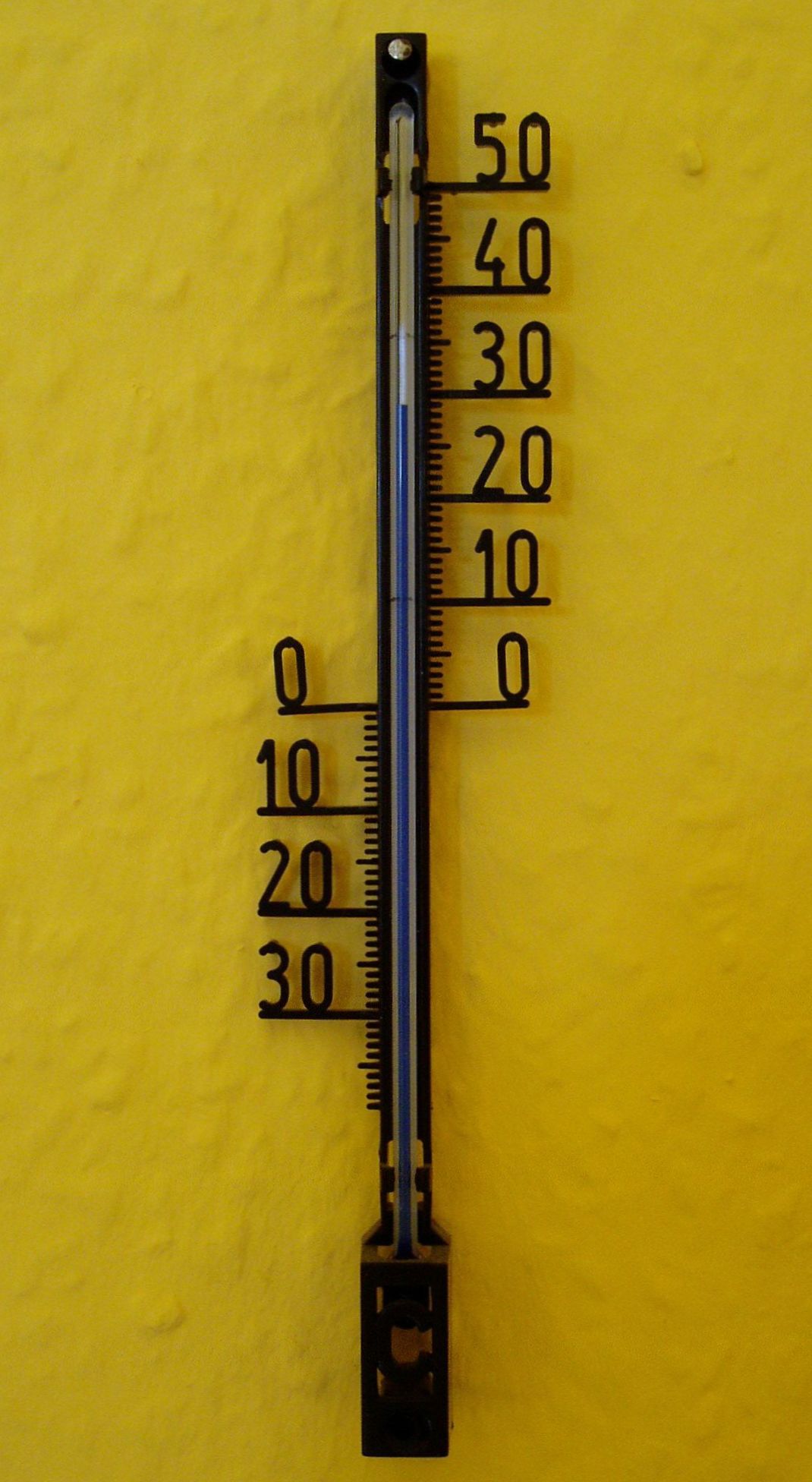
July is when the bin complaints peak. Every year, between July 4th and the second week of August, our text inbox fills up with the same message: "It smells worse than ever. What changed?"
What changed is heat plus humidity plus the calendar — three things converging in a way KC residents don't quite anticipate until it happens. Here's what's actually going on inside that bin and what to do about it.
Bin cooking in the Missouri heat? Let the Bros clean it.
200°F water. No soap, no chemicals, pet-safe. We come to your curb and haul the funk away.
Book in 60 seconds — 50% off with FIRST50 →The science of why July is the worst
Bacterial growth in a trash bin follows a predictable curve based on temperature. The doubling rate — how fast a bacterial population goes from N cells to 2N cells — depends on how close conditions are to what bacteria evolved to thrive in.
For most foodborne bacteria (Salmonella, E. coli, Pseudomonas — see our bacteria buildup article for the full species breakdown), optimal growth temperature is between 90°F and 99°F. KC's July average daytime high is 90°F. The interior of a closed black trash bin in direct sun easily hits 130°F — but stays above 90°F for 18+ hours per day even at night.
Translation: in January, your bin's bacteria double every 24-36 hours. In July, they double every 90-120 minutes. A bin you cleaned in May has 200x more bacterial mass by mid-July than it would in October.
That's the smell. Not your imagination, not the trash being different — just biology.
The Missouri humidity factor
KC's other July problem: relative humidity averages 70-80% on summer mornings. Bacteria need water. A humid environment means bin interiors stay damp longer, bag leaks evaporate slower, and the moist film at the bottom never fully dries. Combined with the heat, you get the perfect bacterial growth chamber.
This is why a bin in Phoenix at 110°F often smells less than a KC bin at 90°F — Phoenix is dry. The trash dries out and bacteria stop growing. KC stays sticky.
What specifically changes in July (vs June)
Three concrete things flip in July that don't happen earlier:
1. Fly egg-to-maggot cycle drops to 8 hours. In May or June, fly eggs take 18-24 hours to hatch. In July's heat, that drops to 8 hours flat. So a bin that picks up fly eggs Saturday morning has visible maggots by Saturday evening — see our maggots removal guide for what to do if it gets that far.
2. Plastic off-gassing increases. Polyethylene bins release minor VOCs at high temperatures. Combined with bacterial gases (ammonia, hydrogen sulfide, methyl mercaptan — what makes the ammonia smell), the cocktail gets pungent.
3. The bag layer peels. Trash bag plastic loses tensile strength above 90°F. Bags that held fine in May start tearing in July, dumping the wet contents directly onto the bin interior — accelerating everything.
The July prevention plan
This isn't a list of vague tips. These are the seven things we recommend KC Northland households actually do in July:
Day-of-pickup: take trash out the morning, not the night before. A bag sitting in a 130°F bin from 10pm to 7am goes through 9 hours of bacterial doubling. Morning placement cuts that to 1-2 hours.
Use double bags for any wet content. Old kitchen scraps, meat packaging, dairy containers. The double bag handles the heat-weakened plastic.
Move the bin to partial shade. A bin against a south wall hits 130°F+ interior. The same bin in north-side shade stays around 95°F. That's the difference between maggots and no maggots.
Spray the lid seal with vinegar weekly. Cheap white vinegar (5% acetic acid) kills surface bacteria on the rubber lid seal, which is otherwise the first place fly eggs collect.
Empty the recycling bin too. The recycling bin gets less attention but holds the same wet residue (cans, jars, bottles). It's not bacterially benign just because it doesn't have food.
Rinse with cold water after every pickup. Cold water doesn't kill bacteria but does flush the worst residue. 30 seconds with a hose is better than nothing.
Schedule a real deep clean for late July. Mid-July is when the bin needs hot water. We recommend Bin Bros customers move from Quarterly to Bi-Monthly cadence June through August, then back to Quarterly for September.
What doesn't work
For KC residents who've tried these and still struggle:
- Baking soda in the bin. Sounds good, doesn't work. Sodium bicarbonate is a mild acid neutralizer; bin odors are mostly from bacterial sulfides + ammonia, which baking soda barely touches.
- Air fresheners. They mask, they don't solve. Within 24 hours you're back where you started.
- Bleach. Don't. Bleach + the ammonia in food waste = chloramine gas. We've taken too many calls about this.
- Pressure washing with cold water. The biofilm doesn't care about pressure. It cares about temperature.
July as a turning point
Most of our customers sign up for service in July. Not because we run promotions — we don't — but because that's when the smell becomes undeniable. By July 15th the bin is bad enough that people stop trying to fix it themselves and just want it handled.
If you're at that point, book your first clean for $22.50 (code FIRST50 is 50% off). Or find your trash day on the map so you can time the next deep clean for the day after pickup, when the bin is empty and ready to be sanitized.
July passes. The bin doesn't have to make it unbearable.
Bin cooking in the Missouri heat? Let the Bros clean it.
200°F water. No chemicals. Pet-safe. No contracts. Code FIRST50 takes 50% off your first clean.